fragments and reflections
Fragments & Reflections
Is this class warfare?
‘Blessed are you who are poor,
for yours is the kingdom of God.
‘Blessed are you who are hungry now,
for you will be filled.
‘Blessed are you who weep now,
for you will laugh.
‘But woe to you who are rich,
for you have received your consolation.
‘Woe to you who are full now,
for you will be hungry.
‘Woe to you who are laughing now,
for you will mourn and weep.
Neamtu and the New Republic
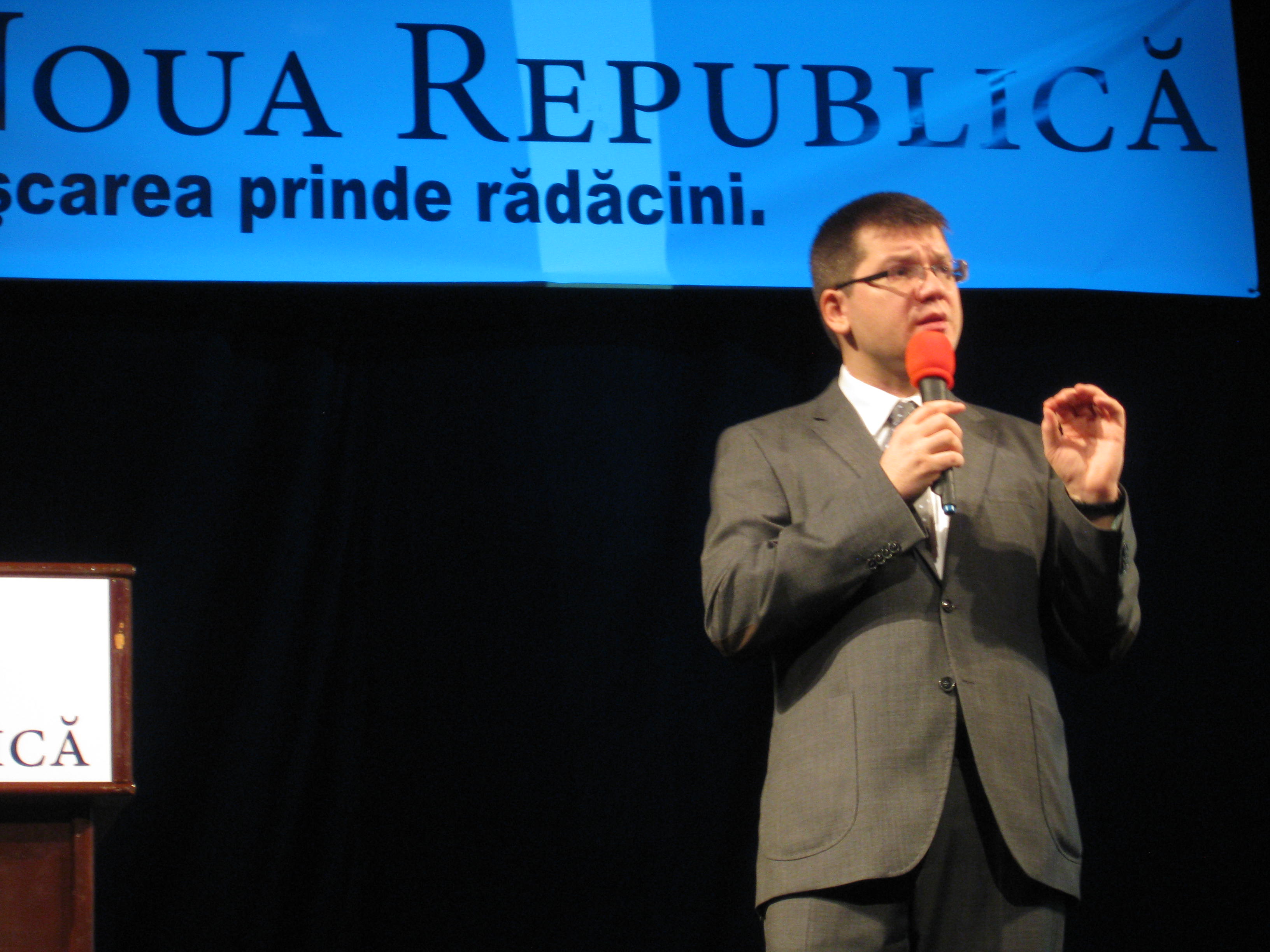 Last week, I had the opportunity to go to Braila (Galati’s neighbor city) and listen to Mihail Neamtu – a young Romanian theologian whose writings I have followed over the past few years. I am a fan. Recently, he has established a political movement called the New Republic (Noua Republica), which will soon become a political party.
 Neamtu explained the concept of the New Republic whose logo is a tree, rooted in Romania’s long tradition and extending upward towards Romania’s future.
Neamtu criticized Romania’s government, which since the fall of communism in 1989 has claimed to be socialist. The socialist government has promised to provide education, health care, and the security of the police. However, students are obliged to pay all sorts of fees. If they want to succeed in school, they have to pay for tutors. As for health care, one must pay for needles, syringes and medicine, not to mention paying bribes for nurses and doctors to provide medical care. As for the police force, there are cities in which the police is impotent in the face of mafias and the illegal underworld. While this is nothing controversial or surprising, Neamtu simply pointed out that the government claims to be socialist – something that many citizens would affirm without hesitation – but largely fails to deliver on its claims.
In opposition to the narrative of socialism, Neamtu is promoting the New Republic as a party on the right of center – something missing from the political spectrum in Romania. In his discourse, Neamtu drew on the ancient Greek idea of the agora: the public square in which civic discourse and commerce take place. Neamtu said that in today’s economy in Romania, the agora is dysfunctional. Instead of a context of free trade and in which competition creates expertise and specialization, Romania has a clientele economy. There are clients who are privileged in the marketplace because of friendship and family or because of bribery or blackmail. This cultivates corruption and impedes development.
While Neamtu didn’t mention that the ancient agora also privileged a certain clientele – namely the male, landowning citizens – he did advocate for laissez-faire capitalism in which agriculture, industry, technology and investment are encouraged. This he sees as a response that will alleviate poverty in Romania. Neamtu also articulated the hope for a country in which Romanians would not feel impelled to migrate in order to succeed, but rather are encouraged to participate in building a country that could be passed on to future generations. While his promotion of personal investment, responsibility and work is a welcome and appropriate response to the present needs in Romania, Neamtu failed to address the weaknesses of globalization and consumerism.
At the moment, the New Republic is at the stage of articulating its ideas and ideals and of recruiting adherents. Realistically, I don’t see the New Republic being elected to office – at least in the short-term. But it can and increasingly is introducing new ideas into the public debate. And it can stimulate fresh imagination for the politically conservative.
I appreciate that Neamtu is not organizing the party around himself but rather around values. It remains to be seen who are the personalities, other than Neamtu, that will publicly promote this new party. The party’s stated values are: citizens, people, justice, free trade, faith, memory and the voice of future generations. However, there is need for these values to be better described and less ambiguous. For example, the New Republic describes citizens as participants in civic society and not simply consumers. But what do they mean by “faith,” especially in an increasingly context of religious pluralism?
Also, as Neamtu declares the New Republic being a movement of the middle-class, how do they reconcile the middle-class with right-wing politics that, speaking strictly as a historical posture, sides with the bourgeois and, speaking contemporarily, has facilitated the increasing disparity between the upper and middle-class as wealth is more and more concentrated in the hands of a smaller and smaller minority?
I am also looking for proposals from the New Republic on how it will not simply critique but concretely address corruption, the client economy, the development of commerce, and the development of “conscience.”
While the New Republic is bringing fresh ideas and a healthy critique to the status quo, the movement’s strength can also be its weakness. Namely, it lacks experience. I am looking at whether the New Republic can attract those with some level of experience in public administration and political engagement to help implement their ideals into reality.
Children as Metaphors of Hope
Jurgen Moltmann writes:
For me, children are metaphors of hope for three reasons:
 (1) With every child, a new life begins, original, unique, incomparable. And while it seems that we always ask, who this or that child looks like (apparently because we seem to think we can only understand the new in the comparison with what is already known or similar), we also encounter the entirely different, the entirely dissimilar and unique in each child. It is these differences that we need to respect if we want to love life and allow an open future.
(2) With every beginning of a new life, the hope for the reign of peace and justice is given a new chance. It is important to see children in their own transcendent perspective and so to resist forming them according to the images of our world. Every new life is also a new beginning of hope for a homeland in this unredeemed world. If it were not, we would have no reason to expect anything new from a beginning.
(3) The last reason to see “a new beginning” or a “beginning of the New” in the beginning of a child’s life is the fact that, for me, children are not only metaphors of our hopes, of that which we want, wish for and expect, but also are metaphors of God’s hope for us: God wants us, expects us, and welcomes us. Humanity is God’s great love, God’s dream for God’s earthly world, God’s image for God’s beloved earth. God is “waiting” for the “human person” in every child, is “waiting” for God’s echo, resonance, and rainbow. Maybe that is the reason God is so patient with us, bearing the ruins of human history, inviting one human generation after the other into existence. God is not silent, God is not “dead”—God is waiting for the menschlichen Menschen the “truly humane human.” “In all of the prophets, I have waited for you,” Martin Buber has the Eternal One speak to the Messiah, “and now you have come.”
With this kind of transcendental expectation placed on every newborn child, it becomes the task of parents, siblings, and teachers to hold open the doors to this future and to walk with these children into this future.
Insanely Warm Winters
It has yet to snow in Galati this year. Well, we did see a few flakes, but nothing stuck. On the warm winter days, I’ve been able to go for jogs and spend more time outside. All over the northern world, I’ve heard people rejoicing in the blessing of a 60 degree January.
Now, most of us are also aware of the negative effects of warm winters: diminishing glaciers, rising sea-level, endangering species, among others. But I was struck last week by the comments of Gregory.
 Gregory is a bearded, middle-aged man that I’ve known for years. He often sits near a marketplace near my home, displaying and trying to sell trinkets, nuts and bolts, and other items he’s found mostly by rummaging through the trash. Gregory has mental problems that make it difficult to speak and to interact with others. But he doesn’t have any inhibitions when it comes to dogs. Usually, Gregory is surrounded by a pack of street dogs that he cares for.
During the holiday season, Gregory looked better kept than usual. He decorated his frayed stocking cap by tying Christmas tree decorations to the bob. I was happy to see both his creativity and his awareness of the festivities.
Walking past Gregory, I observed a group of kids that were following him, mimicking him, and calling him “crazy.” But Gregory didn’t seem to notice the kids’ mockery. He continued to direct cars into the parking spots as they pulled in and out of the narrow street, hoping that the drivers would give him some small change for his service.
As I was finishing up my shopping, Gregory came into the store to buy some food with his freshly earned coins. The sales clerks obviously knew him, helped him with his purchase, and tried to usher him quickly back outside. Before he left the store, Gregory blessed everyone in the store with his “Happy New Year!” This surprised me as I had never seen him so communicative, especially in public. He was obviously struggling to be coherent, but he continued with a prayer: “May God give us snow in the new year!” Again, I was taken aback. I assumed that Gregory, like others that I know who live on the streets, would be happy with a warmer and drier winter, but here he was praying for snow. Gregory went on: “I have some debts that I can pay off by sweeping the snow off of your walkways.”
After I received my change and picked up my grocery bags, I exited the store to find Gregory giving some of his food to each of the dogs surrounding him. On my way home, I smiled as I thought of Gregory’s smile and his words. Although I am strongly against the street dog population, Gregory has made them his friends. Although I often hear people accuse the poor of being lazy, Gregory was finding ways to serve and work for his daily bread. Although I find myself secretly hoping for a warm winter, Gregory is praying for a “normal” winter with snow. His kindness, gentleness, industriousness and generosity provoked me. I found myself asking, “Really, who is acting sane and who is acting insane?”
Dan Ariely’s “Predictably Irrational”
I just finished Dan Ariely’s interesting book Predictably Irrational. Ariely is a professor of behavioral economics. The book is about certain, often unconscious, factors influence our decision-making, even if they are illogical. Here’s a summary:
Chapter 1
We buy and make decisions in a context of comparison.
Chapter 2
In our act of situating decisions in context, we apply arbitrary coherence to our choices. One choice becomes the anchor price (the price we consider paying for something) by which we compare other options. (See the TedTalk below.)
Chapter 3
We choose something that is “free” even if it is not the most economical deal because we believe that we have nothing to lose by taking the “free.”
Chapter 4
We differentiate in our behavior between social norms and market norms. For example, when we pay for something (market norm), we legitimize our consumption (even if it is extreme or immoral); when we receive something freely, we self-moderate our consumption (because the good is seen as social).
Chapter 5
By attaching monetary value to work, we detach work from social norms.
Chapter 6
When the primal part of our brain that is related to survival (fight-flight, hunger, thirst, sex, etc.) is aroused, we make decisions that we otherwise think we should not make.
Chapter 7
Even though it is not in our best interest, we predictably procrastinate and struggle with self-control (primarily because there is no immediate gratification attached to undesired tasks).
Chapter 8
We estimate the value of our own possessions to be much higher than what others estimate them to be.
Chapter 9
Choices drive our curiosity, and curiosity, generally, has negative repercussions on decision-making.
Chapter 10
We perceive reality through what we expect or desire reality to portray.
Chapter 11
Paying a higher price makes us feel like we are getting a higher quality product, even when the product is a placebo.
Chapter 12
Trust – a crucial component of the economy and society – is easily degraded (causing a reflex of mistrust towards marketers and politicians).
Chapter 13
We tend to lie/cheat a little – even if it does long-term harm to ourselves (like diminishing public trust) – except when we are conscious of moral commitments (like the Ten Commandments) at the time of the temptation. (I would like to see Ariely’s experiment in this chapter using W.W.J.D? My hunch is that it would be less effective than the 10 Commandments because it is vague (W.W.J.D? is determined by the questioner).
Chapter 14
We rationalize dishonesty, but less so when we deal personally in cash transactions.
Chapter 15
Our economic behavior is sometimes determined not by acquiring that which pleases us but rather by that which makes us look good or unique in the eyes of others.
I’ll let you read the book to better understand how these behaviors influence our irrational decision-making.
The Word is Spoken: A Christmas Meditation
We have heard the story so many times that we have grown used to it. 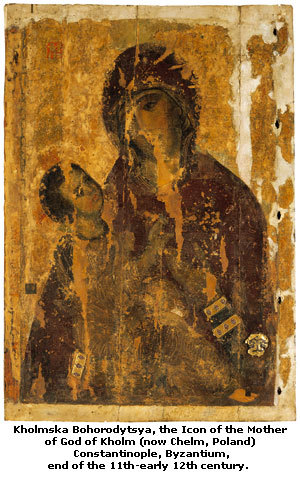 The story of Jesus’ birth has become cozy legend and plastic myth. To counter the transplanting of the manger of the 1st century cow barn to the 21st century “live nativity,” let us try to hear the story as if for the first time.
Let’s try to imagine the situation.Israelis in exile. They are estranged in what was once their Promised Land. The winds that blow through the dusty streets whisper echoes of the Psalmist: “How can we sing the Lord’s song in a strange land?”
The signs of exile are all around. The Jews pay taxes to their king, Herod, and he builds a wannabe temple that is void of the “shekinah” glory. There is the House of God, but not God’s presence. The furniture is in place, but no one is home. The building is in business, but the Proprietor doesn’t claim ownership. The priests do their service, but their noisy motions are muted by God’s deafening silence. This is the covenant people of God, but God is strangely absent from their midst.
The greatest sign of exile was the Roman soldiers patrolling the streets and the Roman crosses mocking any hope for change of power. How can the elected people of God be ruled and oppressed by a heathen nation? How can the chosen nation retain identity and hope when the triumph of the pagans meant the defeat of the God of Israel?
We hear of a young Jewish woman and man forced to traverse the country. Because of a strange pre-marital pregnancy, this young couple is at risk of excommunication from their communities and families. Hardly reaching the age of citizenship, they are called for the census. What is the purpose of the census? What is the purpose of the dangerous journey during the delicate period of pregnancy? Taxation. The Jews were being numbered so that they could be exploited. They were being counted for their tribute.Israelis in exile in her own country.
But more agonizing than the mock ruling of Jewish despots and more excruciating than the persecution of a foreign people is the fact that God is not speaking. It would all be bearable if there were purpose. It would all be supportable if God were near. But He wasn’t. It was a situation of violence, fear, confusion and hopelessness.
The status ofIsraelis reflected in the lives of the two young Jews, Joseph and Mary. They are poor, tired, dirty, and cold. As if being forced away from their home as conquered vassals was not degrading and dehumanizing enough, they are also denied tenancy. The vacancy in theTempleis transposed to “no vacancy” inBethlehem, not even a place for an expecting mother. There is no refuge, no place for rest and no one hospitable. They must have felt abandoned with the miracle Child in the womb. They must have felt alone, insecure, and scared. In a soiled barn and amidst malodorous animals, the cold wind whispered: where are you God? From within the silence that amplifies the dirty surroundings of desperation, God speaks His Word.
“And the Word became flesh and dwelt among us, and we beheld His “shekinah” glory, glory as of the only begotten from the Father, full of grace and truth” (John1:14).
Not in the temple, but in a cowshed, the glory of God comes. Not from the priestly podiums, but at the edge of the splintery manger, God’s Word addresses Himself to us. “In the beginning was the Word, and the Word was with God, and the Word was God” (1:1). But the Word is not past tense. It speaks ever present and ever new.
This isn’t word as symbol, like letters that symbolize sounds. This is Word as language: God is communicating Himself and is inviting humanity to speak with Him. This is not monolog: God speaks and we listen, or, inversely, we speak and God listens; this is dialog: God wants to interact with Him, speaking His language.
The Word is the language of God. “No man has seen God at any time; the only begotten God, who is in the bosom of the Father, He has explained Him” (1:18). Jesus is the exegesis of the Father. This language sounds foreign, but familiar. It is foreign in that we don’t understand it. We are unsure that we have heard it. Yet, it is familiar in that it rings true in the depths of our beings, as if it has been speaking to us from the inception of our existence. “All things came into being by Him, and apart from Him nothing came into being that has come into being” (1:3).
We come clumsily and inarticulate to the conversation, but we are lead by our “interior teacher” (as Augustine refers to Christ’s indwelling us in the Word). The Word is implanted in our hearts (James1:21).
Let us not let the abstractness remove ourselves from the reality of the story; we must remember that the Word is spoken in the midst of fear, pain, disappointment and insecurity. The Word is spoken in sleepy silence and baby cries. Wrapped in poverty and fragility, God discloses Himself.
Let us resist our tendency to refuse the Word because it is not adult and authoritative. Let us resist affirming that the baby represents Jesus’ humanity, stripped of His godliness. Let us resist affirming that this is Self-condescension, as if God just needed to come down and fulfill a pre-established set of criteria in order to save us. No, this is the Word “who although He existed in the form of God, did not consider equality with God a thing to be exploited, but emptied Himself…” (Philippians 2:6, 7). The Word is God – the Word spoken through the delicate, dependent baby.
“It has been traditional to see this Self-humbling as God in some way hiding or suspending or adding to or relinquishing his divinity in order to become man. But what if he was in Jesus, actually uncovering his divinity? Does the baby of Bethlehem not reveal God rather than obscure him? Is God’s nature not seen in the powerlessness (to human estimation) of the baby?”
The divinity of God is not hidden in the child; rather the baby is the revelation of God. This is the power of the baby. Isaiah prophesied with astonishing precision: “For unto us a child is born; unto us a son is given.” The Son is not born but begotten. The Son is given; the child is born. In a messianic annunciation, Isaiah describes the coming of the Christ Child.
And the wolf will dwell with the lamb… and the calf and the young lion and the fatling together, and a little boy will lead them. The nursing child will play by the hole of the cobra, and the weaned child will put his hand on the viper’s den. They will not hurt or destroy in all My holy mountain, for the earth will be full of the knowledge of the Lord as the waters cover the sea (Isaiah 11:6, 8-9).
The child is the metaphor of hope: hope for new beginnings, for renewal, and for the acceptance of the Reign of God.
This is where the Christ Child touches the street child. Since God was incarnate as a Child, every child has become a metaphor of hope. Jesus said, “Whoever welcomes one such child in my name, welcomes me…” (Mark9:37). Whoever takes in a child, also takes in God. In children, God is waiting for us to take in God. In helpless children, God is waiting for our compassion. This is the spontaneous impression that the image of the Child in the manger awakens in us (Jurgen Moltmann). As a Baby in a barn the Word speaks to us, calls to us, and invites us.
The Word made flesh becomes Good News. “…there were some shepherds staying out in the fields, and keeping watch over the flock by night. And an angel of the Lord suddenly stood before them, and the shekinah glory of the Lord shone around them; and they were terribly frightened. And the angel said to them, “Do not be afraid; for behold, I bring you good news of a great joy which shall be for all the people; for today in the city of David there has been born for you a Savior, who is Christ the Lord. And this will be a sign for you: you will find a baby wrapped in cloths, and lying in a manger.” (Luke 2:8-12). The Word is announced. The audience is shepherds – not nobles, not learned, not religious, but shepherds – those in solidarity with smelly animals and dirty beds. The Good News is born; the great joy is the Christ Child. The Word is heard and the shepherds entered the dialog of God: “the shepherds went back, glorifying and praising God for all that they had heard and seen…” (2:20). The sign is a Child, wrapped in a diaper, and lying in a manger. This should baffle us. This should make us speechless. The sign is not the angel, not the proclamation, but the Baby and His poverty.
Let us now return to our 21st century lives. Yet let us find ourselves in the Story. In our estrangement from the world, from our families, from all that offers security; in exile, Diaspora and wilderness; in the oppression, confusion, violence and depression; in the loneliness, rejection, fear and disappointment; in the hopelessness, powerlessness and exploitation; in our dirty, cold corner of the world; in God-forsakenness, we find the precise and necessary conditions for God’s coming. The silence becomes Word; the “no room” becomes presence; the loathsome becomes great joy.
And Mary said, “My soul exalts the Lord, and my spirit has rejoiced in God my Savior. For He has had regard for the humble state of His bond slave; for behold, from this time on all generations will count me blessed. For the Mighty One has done great things for me; and holy is His name. And His mercy is upon generation after generation toward those who fear Him. He has done mighty deeds with His arm; He has scattered those who were proud in the thoughts of their heart. He has brought down rulers from their thrones, and has exalted those who were humble. He has filled the hungry with good things; and sent away the rich empty-handed. He has given help to Israel His servant, in remembrance of His mercy, as He spoke to our fathers, to Abraham and his decedents forever’ (Luke 1:46-55).
In the Child, in the Word, God invites us to intimate communication, to secret sharing, and to unceasing prayer.
Dar din dar – Crăciun pentru fiecare
Dar din dar – Crăciun pentru fiecare [9979] | Eveniment, Monitorul de Galati.
Dumnezeu Îşi rosteşte Cuvântul: o meditaţie despre nașterea lui Isus
Noi am auzit povestea atât de mult încât ne am obişnuit cu ea. Povestea naşterii lui Isus ni se pare o legendă comodă şi un mit plastic. Ca să ne opunem transplantării ieslei din hambarul de vaci la sceneta visionată în secolul 21, hai să încercăm să ascultăm povestea ca şi cum ar fi pentru prima oară.
Hai să încercăm să ne imaginăm situaţia. Israelul este în exil. Poporul este înstrăinat în ceea ce era odatăŢaraFăgăduinţei. Vântul care bate pe străzi prafuite şopteşte ecouri ale cuvintelor psalmistului: “Cum să cântăm noi cântările Domnului pe un pământ străin?” (Psalm 137:5).
Semnele de exil erau pretutindeni. Evrei plăteau taxele Împăratului, Irod, şi el legitimează domnia lui prin construirea unui pseudo-templu, lipsit de slavă “şekina.” Există Casa lui Dumnezeu, dar lipseşte prezenţa Lui. Mobila este montată, dar nu e nimeni acasă. Clădirea este deschisă pentru afacere, dar Proprietarul nu pretinde patrimonie. Preoţii îndeplinesc slujirea, dar acţiunile lor zgomotoase sunt amuţite de tăcerea asurzitoare a lui Dumnezeu. Aceasta este poporul cu care Dumnezeu a făcut legamant, dar în mod curios, El este absent din mijlocul lor.
Cel mai mare semn al exilului era soldaţii romani care îşi făceau rondul şi crucile romane care batjocoreau orice speranţă pentru o schimbare de putere. Cum putea poporul ales să fie domnit şi asuprit de un neam? Cum putea naţiunea alesă să-şi reţină identitatea şi speranţa când triumful păgânilor înseamnă înfrângerea lui Dumnezeu luiIsrael?
Auzim de o tânără fată şi un domn evreu care erau constrânşi să traversezeţara. Din cauza unei sarcinei premaritale, acest cuplu tânăr se afla în riscul de a fi excomunicat de comunităţile lor sociale şi familiale. Abia împlinind vârstă de cetăţenie, ei sunt chemaţi pentru recensământ. Care era scopul recensământului? Care era scopul acestei călătorii periculoase în timpul perioadei delicate a femeii însărcinate? Taxarea. Evreii erau numeraţi pentru a fi exploataţi. Erau socotiţi pentru tribut.Israeleste în exil în propria-iţara.
Dar o agonie mai mare decât pseudostăpânirea despoţilor evrei şi un chin mai mare decât prigonirea de către un popor străin este faptul că Dumnezeu nu vorbeşte. Totul ar fi suportabil numai dacă era un scop. Totul are fi fost posibil de îndurat dacă Dumnezeu ar fi fost aproape. Dar nu era. Domnea un climat de violenţă, frică, confuzie şi deznădejde.
Starea luiIsraeleste oglindită în vieţile celor doi evrei tineri, Iosif şi Maria. Ei sunt săraci, obosiţi şi mizerabili. Le este foame şi frig. Nu era destul de degradant şi dezumanizator ca vasalii cuceriţi sa fie forţaţi să-şi părăsească casa, le era refuzat până şi dreptul de a închiria. Spaţiul gol în Templu este transmutat la “nu este loc” în Betleem, nici loc pentru o femeie aflată în pragul naşterii. Nu era nici un refugiu, nici un adăpost pentru odihnă, nici un ajutor. Trebuie să se fi simţit abandonaţi cu Copilul miraculos în pântece. Trebuie să se fi simţit singuri şi înspăimântaţi, intr-o totala nesiguranţă. Într-un hambar zoios şi în preajma animalelor rău mirositoare, vântul rece şopteşte: unde eşti Doamne? Din cadrul tăcerii care amplifică mediul murdar care îi înconjoară, Dumnezeu Îşi rosteşte Cuvântul.
“Şi Cuvântul S-a făcut trup şi a locuit printre noi, plin de har şi de adevăr. Şi noi am privit “şekina” slava Lui, o slava întocmai ca slava singurului născut din Tatăl” (Ioan1:14)
Nu la Templu ci la grânar se manifestă slava lui Dumnezeu. Nu de la amvonurile preoteşti, ci de la ieslea de aşchie, Cuvântul lui Dumnezeu ni se adresează nouă. “La început era Cuvântul şi Cuvântul era cu Dumnezeu şi Cuvântul era Dumnezeu” (1:1). Dar Cuvântul nu este în timpul trecut; El vorbeşte în timpul prezent, omniprezent.
Nu este un cuvânt ca un simbol, ca şi literele care simbolizează sunete. Acesta este Cuvântul ca limba: Dumnezeu comunică şi invită umanitatea să stea de vorbă cu El. Nu este un monolog: Dumnezeu vorbeşte şi noi ascultăm, sau invers, noi vorbim şi Dumnezeu ascultă; acesta este un dialog: Dumnezeu vrea să interacţionăm cu El, vorbind limba Lui.
Cuvântul este limba lui Dumnezeu. “Nimeni n-a văzut vreodată pe Dumnezeu; singurul Lui Fiu, care este în sânul Tatălui, Acela L-a făcut cunoscut” (1:18). Sau ca în alte traduceri, “Acela L-a explicat.” Fiul Îl explică pe Tata. Isus este exegeza Tatălui. Limba această sună străin, dar familiar. Este străină încât n-o înţelegem. Nu suntem siguri dacă am mai auzit-o. Dar este familiară întrucât răsună cu adevărat în adâncimea fiinţelor noastre, ca şi cum ne vorbea de la începerea existenţei noastre. “Toate lucrurile au fost făcute prin Cuvântul; şi nimic din ce a fost făcut, n-a fost făcut fără El” (1:3).
Noi venim neîndemânatic şi nearticulat la conversaţie, dar suntem călăuziţi de “învăţătorul interior” (precum Sfântul Augustin s-a referit la sălăşluirea Cuvântulului în noi). Cuvântul este sădit în inimile noastre (Iacov1:21).
Hai să nu ne pierdem în abstracţia cuvintelor; trebuie să ţinem minte că rosteşte Cuvântul în mijlocul temerilor, durerii, dezamăgirii şi insecurităţii. Cuvântul vorbeşte prin liniştea somnului şi plânsul Pruncului. Învelit în sărăcie şi fragilitate, Dumnezeu se descoperă.
Hai să rezistăm tendinţei noastre de a refuza Cuvântul pentru că nu este adult sau autoritar. Hai să respingem afirmatia conform căreia Pruncul reprezintă doar umanitatea lui Isus, dezbrăcat de dumnezeirea Lui. Hai să ne opunem afirmaţiei că Bebeluşul este doar condescendenţa de Sine, ca şi cum Dumnezeu trebuia doar să coboare şi să împlinească o listă de sarcini că să ne salveze. Nu, acesta este Cuvântul “măcar că avea chipul lui Dumnezeu, totuş n-a crezut ca un lucru de exploatat să fie deopotrivă cu Dumnezeu, ci S-a dezbrăcat pe sine însuşi…” (Filipeni 2:6, 7). Cuvântul este Dumnezeu – Cuvântul rostit printr-un Bebeluş delicat şi dependent.
“Este tradiţional să se privească la smerirea de sine ca modul lui Dumnezeu de a ascunde, de a suspenda, de a adauga sau de a renunţa la divinitatea Lui ca să devină om. Dar dacă Dumnezeu prin Isus de fapt, descopera divinitatea Lui? Oare Pruncul din Betleem nu Îl descopera pe Dumnezeu mai degrabă decât de a-L face obscur? Nu este natura lui Dumnezeu văzută în neputinţa (după estimarea umană) a Pruncului?”
Divinitatea lui Dumnezeu nu este ascunsă într-un copil; mai degrabă, copilul este revelaţia lui Dumnezeu. Aceasta este puterea Pruncului. Isaia a proorocit cu precizia uimitoare: “Căci un Copil ni s-a născut, un Fiu ni s-a dat” (9:6). Fiul nu este născut ci dat; Copilul se naşte. Într-un anunţ mesianic, Isaia descrie venirea Copilul Hristos.
Atunci lupul va locui împreună cu mielul, şi pardosul se va culca împreună cu iedul; viţelul, puiul de leu, şi vitele îngrăşate, vor fi împreună, şi le va mîna un copilaş… pruncul de ţîţă se va juca la gura bortei năpîrcii, şi copilul înţărcat va băga mîna în vizunia basilicului. Nu se va face nici un rău şi nici o pagubă pe tot muntele Meu cel sfînt; căci pămîntul va fi plin de cunoştinţa Domnului, ca fundul mării de apele cari-l acopăr. (Isaia 11:6, 8-9)
Copilul este metafora speranţei: speranţa pentru începuturile noi, pentru înnoire şi pentru acceptarea Domniei lui Dumnezeu.
Aici este unde Copilul Hristos atinge pe copilul străzii. De când Dumnezeu s-a întrupat ca un copil, fiecare copil a devenit o metaforă a speranţei. Isus a spus, “Oricine primeşte pe unul din aceşti copilaşi în Numele Meu, Mă primeşte pe Mine…” (Marcu 9:37). Oricine îl primeşte pe un copil, Îl primeşte pe Dumnezeu. În copii, Dumnezeu aşteaptă să-L primim pe Dumnezeu. În copiii fără speranţă, Dumnezeu aşteaptă compasiunea noastră. Aceasta este şi impresia spontană pe care o trezeşte în noi Copilul din iesle. Printr-un Copil aflat într-un hambar, Cuvântul ne vorbeşte, ne cheamă şi ne invită.
Cuvântul care se face trup devine Vestea Bună. În ţinutul acela erau nişte păstori, care stăteau afară în câmp, şi făceau de strajă noaptea împrejurul turmei lor. Şi iată că un înger al Domnului s-a înfăţişat înaintea lor, şi slava (şekina) Domnului a strălucit împrejurul lor. Ei s-au înfricoşat foarte tare. Dar îngerul le-a zis: Nu vă temeţi: căci vă aduc o veste bună, care va fi o mare bucurie pentru tot norodul: astăzi în cetatea lui David, vi s-a născut un Mîntuitor, care este Hristos, Domnul. Iată semnul, după care-L veţi cunoaşte: veţi găsi un prunc înfăşat în scutece şi culcat într-o iesle” (Luca 2:8-12). Cuvântul este anunţat. Audienţa este constituită din nişte ciobani – nu nobili, nu învăţaţi, nu religioşi, ci păstori – cei aflati în solidaritate cu paturi soioase şi cu animale care miros urât. Vestea Bună s-a născut; mare bucurie este Copilul Hristos. Cuvântul este auzit şi ciobanii întră în dialog cu Dumnezeu: “păstorii s-au întors, slăvind şi lăudînd pe Dumnezeu, pentru toate cele ce auziseră şi văzuseră… (2:20). Semnul este un Prunc, înfăşat în scutece şi culcat într-o iesle. Asta ar trebui să ne conşterneze, să ne lase fără cuvinte. Semnul nu este îngerul, nu este anunţul glorios, ci un Prunc în sărăcia Lui.
Hai să ne întoarcem la vieţiile noastre în secolul 21. Haideti să ne regăsim în Poveste. În înstrăinarea noastră de lume, de familiile noastre, de tot ce înseamnă siguranţă; în exil, Diaspora şi pustiu; în oprimare, depresie, confuzie şi violenţă; în singurătate, respingere, frică şi dezamăgire, în deznădejdie, neputinţă şi exploatare; în colţul nostru murdar şi rece al lumii; în părăsirea de Dumnezeu, noi găsim condiţiile precise şi necesare pentru venirea Domnului. Tăcerea devine Cuvântul; “nu era loc” devine prezenţa; ceea ce era insuportabil devine o mare bucurie.
Şi Maria a zis: Sufletul meu măreşte pe Domnul, şi mi se bucură duhul în Dumnezeu, Mîntuitorul meu, pentrucă a privit spre starea smerită a roabei Sale. Căci iată că deacum încolo, toate neamurile îmi vor zice fericită, pentrucă Cel Atot Puternic a făcut lucruri mari pentru mine. Numele Lui este sfînt, şi îndurarea Lui se întinde din neam în neam peste cei ce se tem de El. El a arătat putere cu braţul Lui; a risipit gîndurile, pe cari le aveau cei mîndri îninimalor. A răsturnat pe cei puternici de pe scaunele lor de domnie, şi a înălţat pe cei smeriţi. Pe cei flămînzi i-a săturat de bunătăţi, şi pe cei bogaţi i-a scos afară cu mînile goale. A venit în ajutorul robului săuIsrael, căci Şi-a adus aminte de îndurarea Sa, cum făgăduise părinţilor noştri, – faţă de Avraam şi sămînţa lui în veac. (Luca 1:46-55)
În Copil, în Cuvânt, Dumnezeu ne invită la comunicare intimă, la împărtăşirea secretelor şi la rugăciune neîncetată. Cuvântul vorbeşte.
Visitors

 fragments and reflections